
Berlin Peace Dialogue 2026
Donnerstag, 8. Oktober 2026, 09.00 - 17.30 Uhr CEST im Auswärtigen Amt (Werderscher Markt 1, 10117 Berlin) und online.
Veranstaltung zum Kalender hinzufügen Anmeldung Berlin Peace Dialogue 2026
Multipolar, aber gemeinsam — Strategische Partnerschaften für zivile Konfliktbearbeitung und
Friedensförderung
Jahreskonferenz des Beirats der Bundesregierung Zivile Krisenprävention und Friedensförderung
Die internationalen Rahmenbedingungen für zivile Konfliktbearbeitung und Friedensförderung verändern sich grundlegend. Angesichts der weltweit steigenden Zahl an Kriegen und Gewaltkonflikten wächst der Bedarf an wirksamen Ansätzen und Bearbeitung von Konflikten. Diese lassen sich nur in enger Zusammenarbeit mit verlässlichen Partnern entwickeln und umsetzen. Gleichzeitig erodieren die bisherigen Grundlagen internationaler Zusammenarbeit: Geopolitische Spannungen, globale Machtverschiebungen und die zunehmende Fragmentierung der internationalen Ordnung erschweren Kooperationen und stellen bestehende Partnerschaften infrage. Umso dringlicher wird die Frage, mit welchen Akteurinnen und Akteuren und in welchen Formaten künftig zusammengearbeitet werden kann, um zivile Konfliktbearbeitung und Friedensförderung wirksam zu gestalten.
Vor diesem Hintergrund gewinnen Fragen nach tragfähigen Partnerschaften, geeigneten Instrumenten und neuen Formen der Zusammenarbeit zunehmend an Bedeutung. Wie können internationale Friedens- und Sicherheitskooperationen wirksam gestaltet werden? Welche Allianzen und Partnerschaften sind notwendig, um Frieden und gesellschaftliche Resilienz in Krisenkontexten zu stärken? Und wie können Konfliktbearbeitung und Friedensförderung auf globale und lokale Herausforderungen gleichermaßen reagieren?
Politikdialoge
-
New Alliances for Peace (with)in Africa? Civilian Crisis Prevention amid Shifting Powers and Shrinking Civic Space (in English)
This Policy Dialogue will be held in English without Translation.
The conditions for civilian crisis prevention and peacebuilding are changing worldwide – the same is true in Africa – as a result of geopolitical shifts and the increasing restrictions on civil society’s scope for action. Whilst restrictions in fragile contexts are often justified on the grounds of security and stability, in other regions new challenges for civil society actors are emerging, primarily due to regulatory obstacles, funding constraints and shifting political priorities. At the same time, new regional and international power constellations are opening up opportunities for strategic partnerships and new, or alternative forms of cooperation. The workshop will bring together representatives from the fields of practice, academia and politics to discuss which actors, approaches and forms of cooperation offer particular potential for civilian crisis prevention and peacebuilding in Africa, and which structural challenges stand in the way of these.
Moderation:
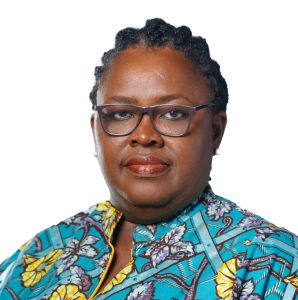
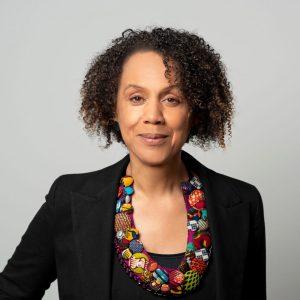
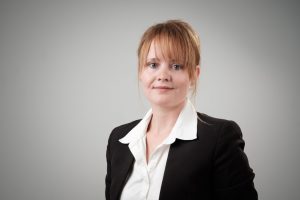
Milena Berks
Beiratsmitglied; Senior Beraterin und Wissenschaftliche Mitarbeiterin am Bonn International Centre for Conflict Studies (bicc) -
Latin America Moves Forward – New Alliances and Untapped Potential for Cooperation (in Spanish & Only On-Site Participation) / América Latina avanza: Alianzas emergentes y nuevas oportunidades de cooperación
This Policy dialogue will be held in Spanish with Translation into English. Only On-Site Participation.
In the context of growing geopolitical tensions, transnational conflicts, and emerging security challenges, strategic partnerships and multilateral cooperation are becoming increasingly important for peacebuilding and crisis prevention. Latin America faces a distinct set of challenges: transnational organized crime, democratic erosion, social polarization, and the impacts of climate change all have direct consequences for peace and security. At the same time, the region has accumulated valuable experience in mediation, peace processes, and regional cooperation. A transatlantic security partnership that includes Latin America can make an important contribution to addressing both internal and external security challenges.
The panel will explore which actors, approaches, and partnerships hold the greatest potential for sustainable peacebuilding and crisis prevention, while also examining the political and structural obstacles that need to be addressed. Particular attention will be given to the security threats that undermine peace and stability in Latin America, including organized crime, democratic backsliding, hybrid threats, as well as to identifying effective approaches to civilian crisis prevention and peacebuilding. The discussion will further examine what Europe and Latin America can learn from one another’s experiences in crisis prevention, stabilization, and peacebuilding, and how diplomacy, security policy, and development cooperation can be better coordinated to address shared challenges and strengthen international institutions. Finally, participants will consider which strategic partnerships and alliances between Germany, Europe, and Latin America are required to make crisis prevention and peacebuilding more effective, resilient, and sustainable in the long term.
——————————————————————————————————–
En un contexto marcado por crecientes tensiones geopolíticas, conflictos transnacionales y nuevos desafíos de seguridad, las alianzas estratégicas y la cooperación multilateral resultan fundamentales para promover la estabilidad y prevenir crisis.
América Latina afronta retos específicos como la delincuencia organizada transnacional, el debilitamiento de las instituciones democráticas, la polarización social y los efectos del cambio climático, todos ellos con un impacto directo sobre la paz y la seguridad. Al mismo tiempo, la región cuenta con una amplia experiencia en mediación, procesos de paz y mecanismos de cooperación regional. En este marco, una asociación transatlántica que incluya a América Latina puede desempeñar un papel clave para hacer frente a desafíos compartidos. El panel analizará qué actores, instrumentos y formas de cooperación ofrecen el mayor potencial para fortalecer la estabilidad y gestionar conflictos de manera sostenible, así como los obstáculos políticos y estructurales que aún persisten.
La discusión se centrará especialmente en las amenazas que afectan a la estabilidad regional, entre ellas el crimen organizado, el retroceso democrático y las amenazas híbridas, además de examinar estrategias eficaces de prevención civil de crisis. Asimismo, se debatirá qué enseñanzas pueden extraer Europa y América Latina de sus respectivas experiencias en estabilización, gestión de crisis y consolidación de la paz, y cómo mejorar la coordinación entre la diplomacia, las políticas de seguridad y la cooperación al desarrollo para afrontar desafíos comunes y fortalecer el sistema multilateral.
Finalmente, se reflexionará sobre las alianzas estratégicas necesarias entre Alemania, Europa y América Latina para reforzar la eficacia, resiliencia y sostenibilidad de los esfuerzos de prevención de crisis y construcción de paz a largo plazo.
Moderation:
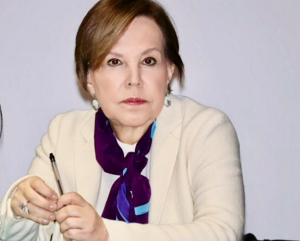
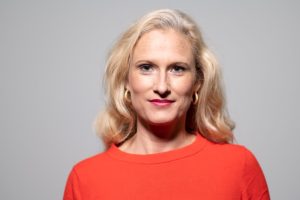
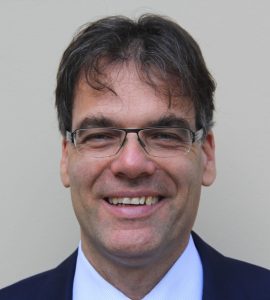
Dr. Jan Woischnik // Maximilian Hedrich
Beiratsmitglied; Leiter der Abteilung Lateinamerika in der Berliner Zentrale der Konrad-Adenauer-Stiftung (KAS) // Leiter des Auslandsbüros in Brasilien, Konrad-Adenauer-Stiftung (KAS) -
Syria in Transition – Emerging Opportunities for Partnerships and Engagement (in English)
This Policy Dialogue will be held in English with Translation into Arabic.
The fall of the Assad regime in December 2024 presents a unique opportunity for Syria to stabilise, reintegrate into the international economic system and overcome decades of dictatorship, violence and destruction. At the same time, however, this represents a historic challenge: the transitional government now bears responsibility for shaping a comprehensive reconstruction programme.
The Federal Government supports this process, and recent reforms within the Federal Foreign Office and the Federal Ministry for Economic Cooperation and Development, aimed at more closely coordinating foreign, security and development policy, give Germany the tools to combine diplomatic and development levers in its engagement with Syria, reinforcing its role as a reliable partner.
Economic reform, the restoration of essential services such as electricity, water and education, and the broader work of reconciliation, peace-building and social inclusion all depend on one underlying condition: a shared, trustworthy information environment. Yet disinformation is actively fuelling division and eroding trust between communities and in the transitional government, impeding the path to sustainable peace.
This policy dialogue brings together Syrian and German experts in a framework based on trust, to critically examine the opportunities, challenges and concrete options for action regarding Germany’s engagement in Syria.
Moderation:
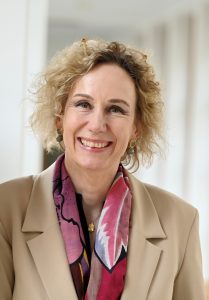
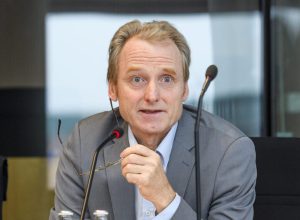
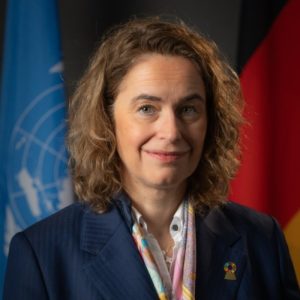
Melanie Hauenstein
Beiratsmitglied; Direktorin, United Nations Development Programme (UNDP), Germany Representation Office (GRO), Bureau for External Relations and Advocacy (BERA) -
Middle Powers Rising - What Role can they play in a Changing World Order? (in English)
This Policy Dialogue will be held in English with Translation into German and International Sign.
The conditions for civilian crisis prevention and peacebuilding are changing worldwide – the same is true in Africa – as a result of geopolitical shifts and the increasing restrictions on civil society’s scope for action. Whilst restrictions in fragile contexts are often justified on the grounds of security and stability, in other regions new challenges for civil society actors are emerging, primarily due to regulatory obstacles, funding constraints and shifting political priorities. At the same time, new regional and international power constellations are opening up opportunities for strategic partnerships and new, or alternative forms of cooperation. The workshop will bring together representatives from the fields of practice, academia and politics to discuss which actors, approaches and forms of cooperation offer particular potential for civilian crisis prevention and peacebuilding in Africa, and which structural challenges stand in the way of these.
Moderation:
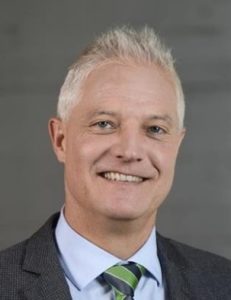
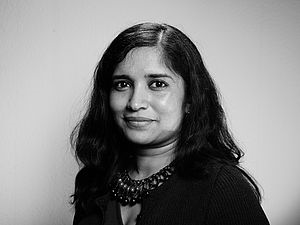
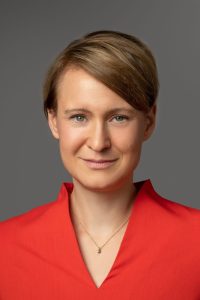
PD Dr. Julia Leininger // Dr. Jana Puglierin
Beiratsvorsitzende; Abteilungsleiterin „Transformation politischer (Un-)Ordnung“ am Institute of Development and Sustainability (IDOS) // Beiratsmitglied; Senior Policy Fellow und Leiterin des Berliner Büros des European Council on Foreign Relations (ECFR)